
Aviation and aerospace projects let students learn how aircraft, drones, rockets and satellites work by designing, building, simulating or calculating something real. Whether you are a school student curious about flight, an engineering student choosing a college project, or someone who wants a personal aerospace project for your résumé, this page gives you 50 project ideas grouped by level, with what each one teaches and how to start.
Quick answer: Easy aviation projects for students include a balsa glider, a water rocket, a paper-plane wing study and a smoke-flow box. College students can choose a fixed-wing UAV design, a drone frame analysis, a wind tunnel, a rocket nozzle study or an aircraft performance calculator in Python. For personal portfolio projects, build something you can show – an RC plane, a flight-data logger, a CubeSat-style structure model or open-source aerodynamics code.
Aviation vs Aeronautical vs Aerospace – What Is the Difference?
| Term | Covers | Example projects |
|---|---|---|
| Aviation | Operating and flying aircraft – airlines, airports, pilots, safety, maintenance | Flight-data logger, airport layout study, runway length calculator |
| Aeronautical | Design of aircraft that fly inside the atmosphere | Wing design, UAV, propeller, airfoil CFD |
| Aerospace | Aeronautical + space vehicles (rockets, satellites) | Rocket nozzle, CubeSat structure, re-entry shapes |
1. Aerospace Projects for High School Students (Easy and Safe)
These projects need simple materials, teach one clear principle and are ideal for school science fairs. Always work with a teacher or parent, especially for anything that flies or launches.
- Balsa or foam glider – change wing area or nose weight and measure glide distance to learn about lift and balance.
- Water bottle rocket – compare fin shapes or water volume and measure height – a fun way to learn Newton’s third law.
- Paper airplane wing study – test different wing shapes and folds and record flight distance.
- Smoke-flow visualisation box – see airflow around shapes using a small fan and incense smoke.
- Hot-air balloon from tissue paper – learn about density and buoyancy.
- Model parachute drop test – compare canopy sizes and shapes to see how drag slows the fall.
- Mini cardboard wind tunnel – use a fan and straws as a flow straightener to test small models.
- Paper helicopter (autorotation) – measure fall time for different blade lengths.
2. Aviation Projects for College Students
- Fixed-wing UAV design – size the wing, tail and motor for a given payload and endurance.
- Quadcopter build with payload drop – integrate a frame, motors, flight controller and a servo-based release.
- Low-cost open-circuit wind tunnel – design the contraction, test section and diffuser, and check flow uniformity.
- Aircraft performance calculator – range, endurance, rate of climb and take-off distance in Python.
- Flight-data logger – record altitude, speed and attitude from a small sensor board on an RC plane or drone.
- Runway length and take-off distance study – effect of altitude, temperature and weight.
- Airport noise and flight-path study – a simple data-analysis project using public flight data.
- Aircraft maintenance checklist app – a software project for students interested in aviation maintenance.
- Bird-strike impact on a leading edge – a structural analysis project.
- Landing gear design and drop-load study – design calculations plus FEA.
3. Aerospace Engineering Final Year Project Ideas
- Winglet design for induced-drag reduction – CFD with validation.
- Composite wing spar and rib structure – compare aluminium and composite layups for weight and stress.
- Convergent–divergent rocket nozzle – exit Mach number and shock position at different pressure ratios.
- Gas turbine blade with cooling – thermal and structural analysis.
- Supersonic air intake – shock pattern and pressure recovery.
- Helicopter rotor blade – aerodynamic and modal analysis.
- Aircraft windshield bird-strike or pressure study – glass vs acrylic vs polycarbonate.
- Satellite structure modal analysis – check natural frequencies against launch-vehicle requirements.
- Re-entry capsule shape study – compare blunt shapes for drag and heating.
- Fuselage splice joint analysis – riveted joints under pressurisation loads.
For a longer list grouped by subject, see aeronautical engineering projects for final year students.
4. Personal Projects for Aerospace Engineering Students (Portfolio Builders)
Personal projects show recruiters and universities that you can take an idea from concept to result on your own. Choose something you can finish in a few weekends and document it well with photos, plots and a short write-up.
- RC plane designed from scratch – do your own sizing, build it and record flight data.
- Open-source airfoil analysis code – write a panel method or thin airfoil solver in Python and publish it with examples.
- CubeSat-style structure model – design a 1U frame, 3D print it and run a modal analysis.
- Model rocket with an altimeter – predict apogee with your own code and compare with the measured value.
- Drone with a custom 3D-printed frame – design, analyse and fly your own frame.
- Flight simulator cockpit panel – build switches and gauges that work with a desktop simulator.
- Weather balloon data project – with proper permissions, log temperature and pressure vs altitude and compare with the standard atmosphere.
- Aircraft performance dashboard – a small web app that calculates range and endurance for any aircraft input.
5. Current Aerospace Topics Students Can Build Projects On
These areas are active in the aerospace industry today, so projects on them stand out in interviews and higher-studies applications:
- Electric and hybrid-electric aircraft – battery sizing and range estimation for a small electric aircraft.
- eVTOL and air taxis – rotor layout and hover power for a multirotor air-taxi concept.
- Sustainable aviation fuel (SAF) – compare fuel properties and their effect on engine performance.
- Hydrogen-powered aircraft – tank sizing and weight trade-offs.
- Reusable rockets – landing-leg design or grid-fin aerodynamics.
- Small satellites (CubeSats) – structure, thermal and power-budget studies.
- Additive manufacturing in aerospace – lattice brackets and topology-optimised parts.
- AI in aviation – predictive maintenance from engine sensor data using machine learning.
6. Easy Aviation Project Ideas Using Python (No Hardware)
- International Standard Atmosphere calculator – temperature, pressure and density vs altitude.
- Breguet range and endurance calculator – compare aircraft or fuel options.
- Rocket equation and staging calculator – delta-v of one-, two- and three-stage rockets.
- NACA airfoil generator – plot any 4-digit NACA airfoil.
- Take-off distance estimator – effect of weight, altitude and flap setting.
Ready-to-run code for these is on our aeronautical mini projects with source code page.
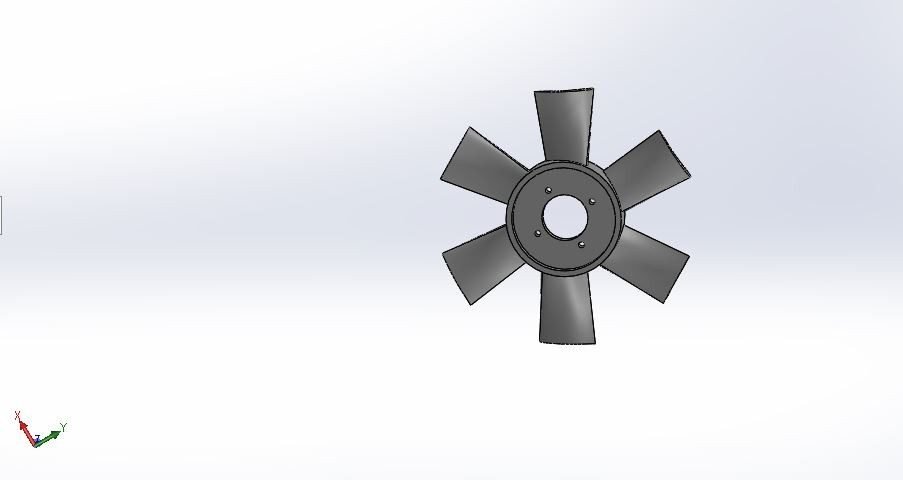
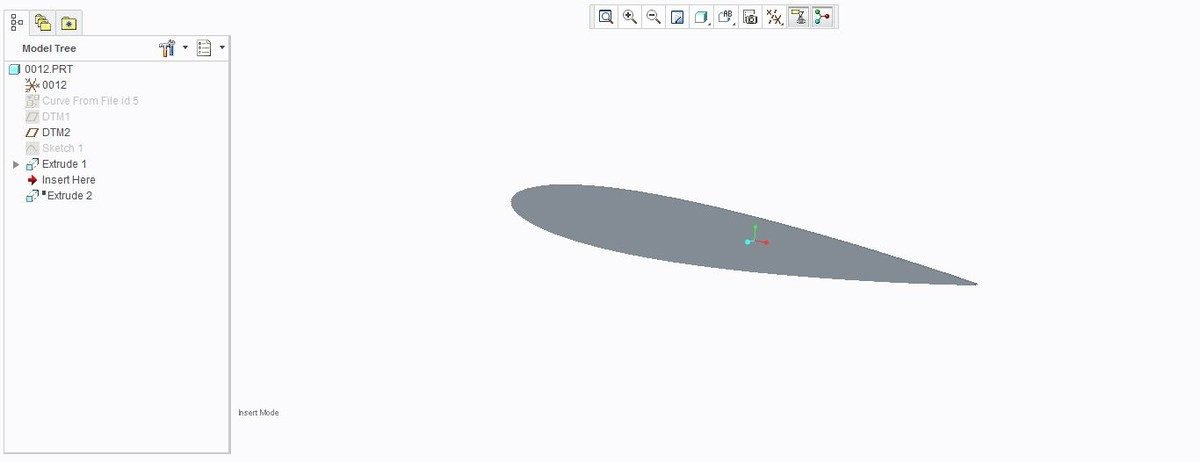
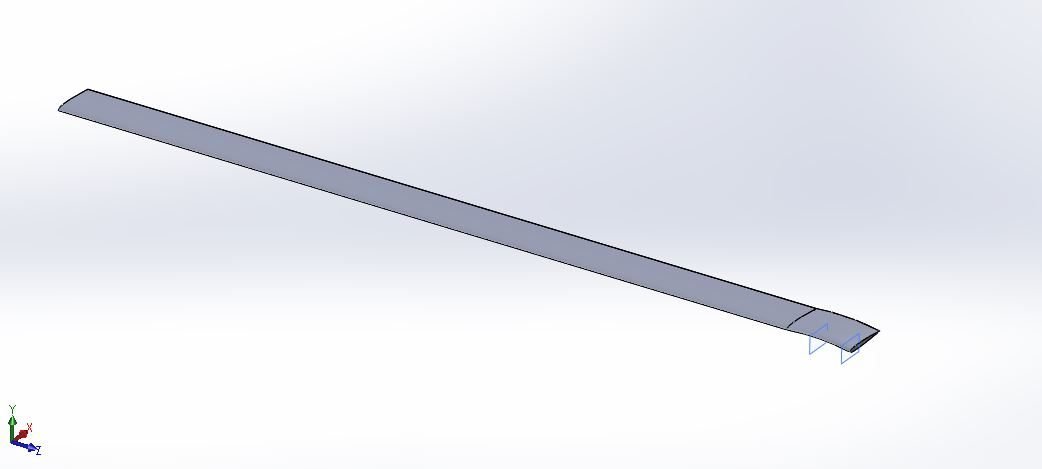
Aero Projects from Our Library

How to Choose the Right Aviation or Aerospace Project
- Match your level. School students should pick one clear principle; college students should add calculations, simulation or testing.
- Check safety and rules. Rockets, drones and balloons may need permission – follow your school, college and local aviation rules.
- Keep it measurable. Distance, height, lift, drag, stress or range – a number makes your project convincing.
- Document everything. Photos, plots and a short report turn a project into a portfolio piece. See our aircraft design project report guide.
More Aero Resources
- Aerodynamics projects for students
- Aeronautical engineering projects for final year
- Parts of an aircraft
- Flight mechanics notes and aircraft propulsion notes
- GATE aerospace roadmap
Need Guidance With Your Project?
We guide and support your work – from choosing the topic and planning the method to explaining each step in live screen-share classes or recorded videos, so you do the modelling, analysis and writing yourself with confidence. Message us on WhatsApp or use the contact form on our home page and tell us your branch, year and the idea you like.
Frequently Asked Questions
What are good aerospace projects for students?
Good aerospace projects include a fixed-wing UAV design, a drone frame analysis, a low-cost wind tunnel, a convergent–divergent rocket nozzle study, a composite wing spar analysis and an aircraft performance calculator in Python.
What are easy aerospace projects for high school students?
A balsa glider, a water bottle rocket, a paper airplane wing study, a smoke-flow box, a tissue-paper hot-air balloon and a model parachute drop test are easy and safe projects. Work with a teacher or parent for anything that flies or launches.
What personal projects should aerospace engineering students do?
Build something you can show and measure – an RC plane designed from scratch, a model rocket with an altimeter, an open-source airfoil code, a 3D-printed CubeSat-style frame or a custom drone frame – and document it with photos, plots and a short report.
What is the difference between aviation and aerospace projects?
Aviation projects focus on operating and flying aircraft, such as flight data, airports and maintenance. Aerospace projects cover the design of aircraft and space vehicles such as wings, engines, rockets and satellites.
Which aviation project ideas need no hardware?
A standard atmosphere calculator, a Breguet range calculator, a rocket equation calculator, a NACA airfoil generator and a take-off distance estimator can all be done in Python on a laptop.
What are current topics in aerospace engineering for projects?
Electric and hybrid-electric aircraft, eVTOL air taxis, sustainable aviation fuel, hydrogen aircraft, reusable rockets, CubeSats, additive manufacturing and AI-based predictive maintenance are active areas that make strong student projects.
Studying abroad? We guide you too – learn Python and engineering through our live classes or recorded video lessons.