
Computational Fluid Dynamics (CFD) uses numerical methods to solve the equations of fluid flow and heat transfer on a computer. Instead of building many physical prototypes, engineers model the flow domain, mesh it, apply boundary conditions and let a solver such as ANSYS Fluent predict velocity, pressure and temperature everywhere in the domain. This is why CFD has become one of the most popular choices for mechanical, thermal and aeronautical final year projects and M.Tech theses.
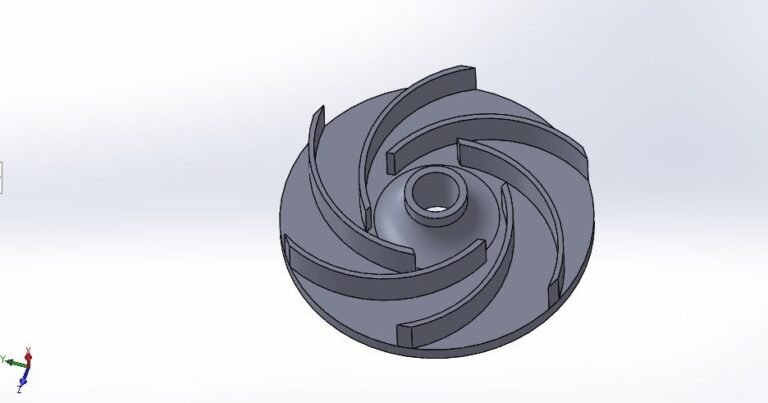
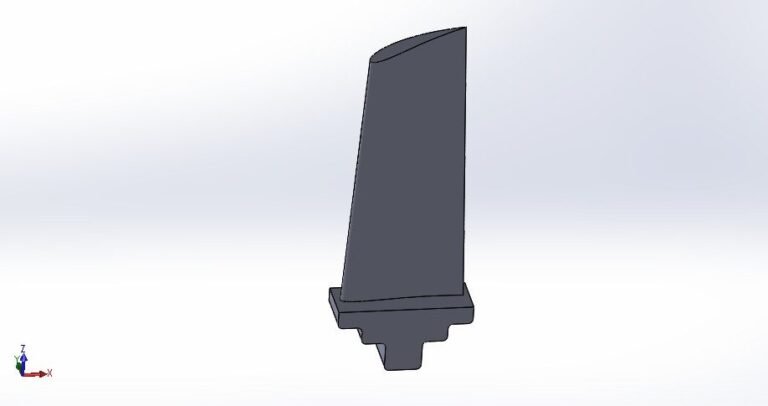
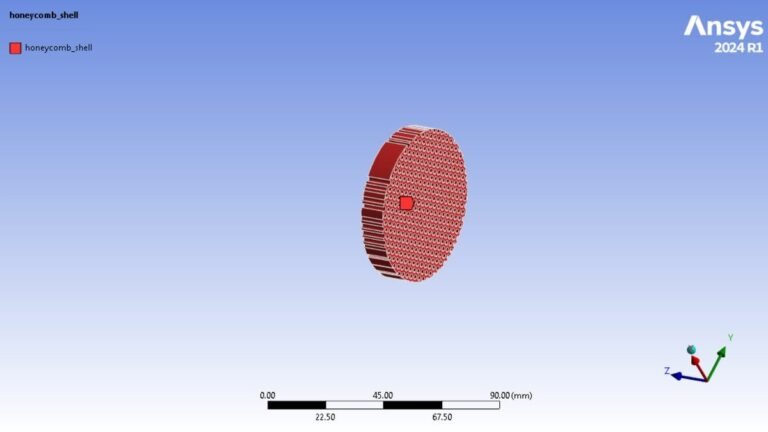
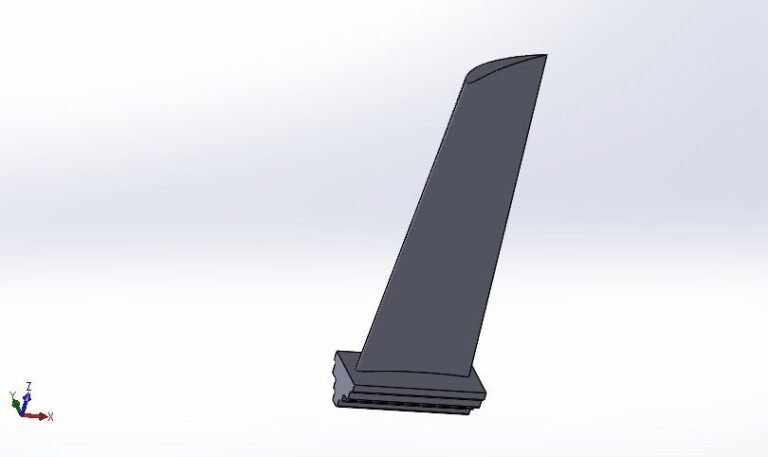
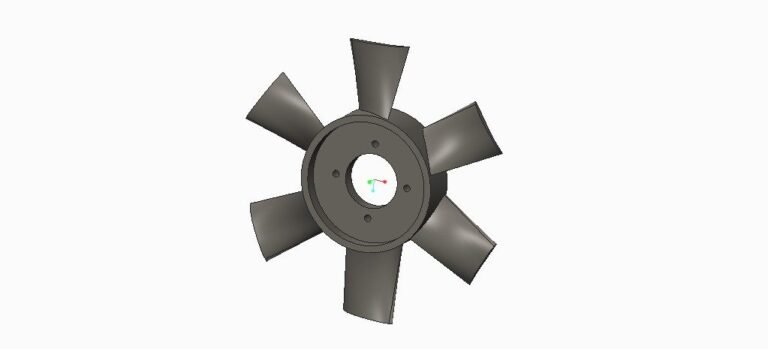
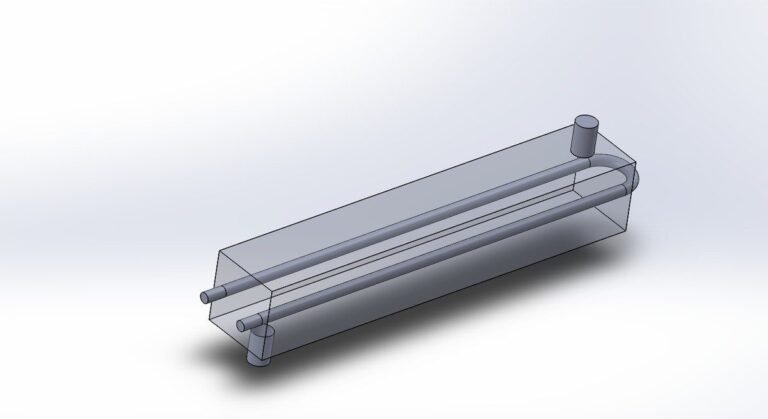
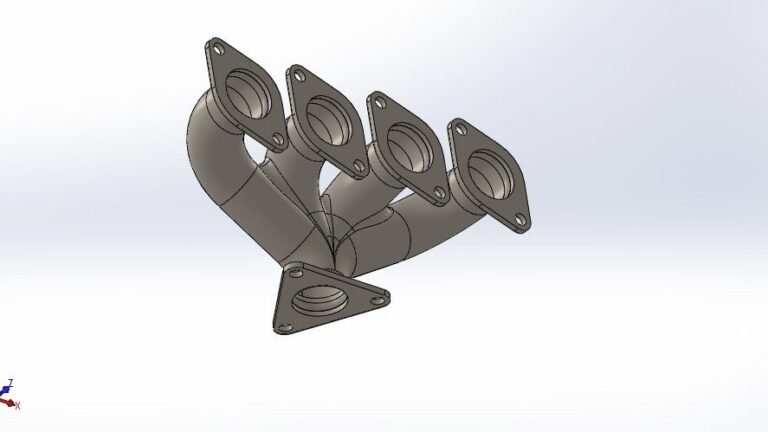
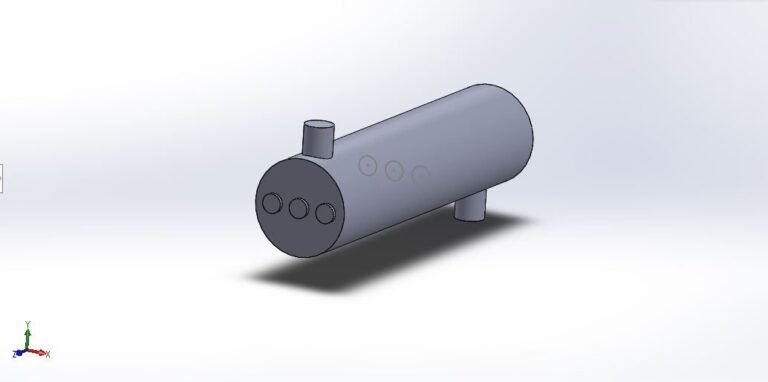
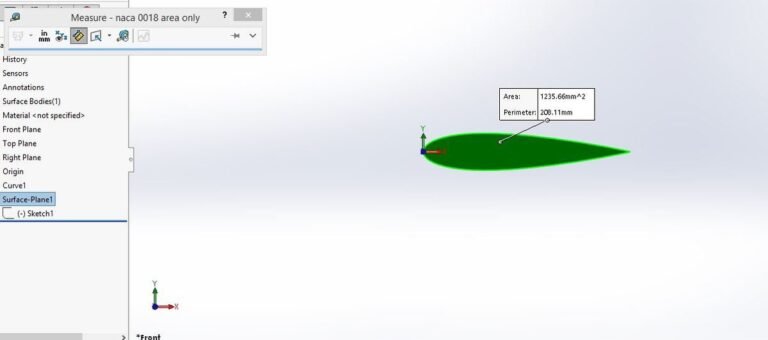
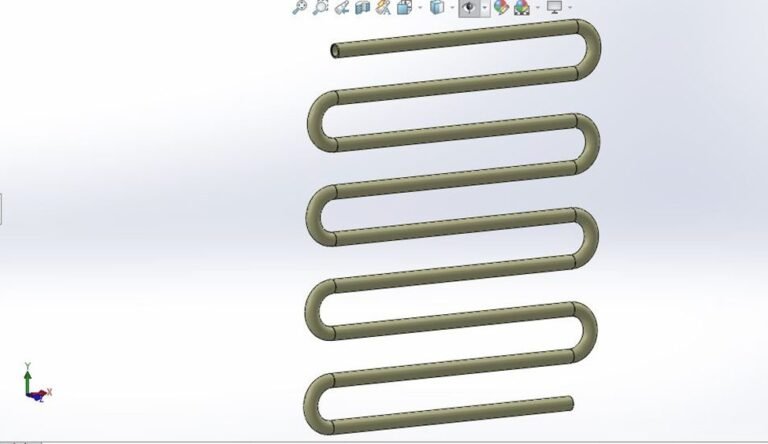
Our CFD projects cover heat exchangers with nanofluids, car radiators, AC condensers, turbine and fan blades, pump and compressor impellers, exhaust manifolds, combustion chambers and wind turbine airfoils. Most of them compare two or more designs, fluids or operating conditions, so the results section clearly shows which option performs better.
Typical Workflow in a CFD Project
- Geometry – the model is created in a CAD tool.
- Meshing – the fluid domain is meshed, with finer cells near walls to capture boundary layers.
- Physics setup – turbulence model (k-ε or k-ω SST), energy equation and material properties, including nanofluid properties where used.
- Boundary conditions – inlet velocity or mass flow, outlet pressure, wall temperature or heat flux.
- Solution and results – pressure, velocity and temperature contours, heat transfer coefficient, Nusselt number and pressure drop.
All Projects in This Topic







What Support You Get With Every Project
- Design guidance – how to build the 3D CAD model yourself (using the CAD tool that suits the project).
- Analysis guidance – how to set up the mesh, boundary conditions and results in ANSYS.
- Report guidance – how to structure your own report to your university format: introduction, literature review, methodology, results and conclusion.
- Live class – a step-by-step explanation of the method while you work on your own licensed software, so you can face your review and viva with confidence.
Every project is customised for your university, branch and deadline. Results are rechecked and rerun before delivery.
Frequently Asked Questions
Which software is used for these CFD projects?
Most projects use ANSYS Fluent for the CFD solution, with a CAD tool for the 3D model. Some also include static structural or thermal analysis in ANSYS Mechanical.
Are CFD projects suitable for M.Tech?
Yes. Nanofluid heat transfer, blade profile comparison and design optimisation studies make strong M.Tech and research topics.
Do I need to know Fluent before choosing a CFD project?
No. Every project comes with a class explanation that walks you through the geometry, mesh, setup and results.
Get a CFD Projects for Your Final Year
Tell us your university, branch (B.Tech, M.Tech or diploma) and deadline, and we will share the exact scope, software and files for the project you choose.
Enquire on WhatsApp or use the enquiry form on our home page.
Browse Other Project Topics
- Heat exchanger projects
- Gear projects
- Robotics projects
- Brake and clutch projects
- IC engine projects
- Automobile chassis projects
- Turbine and blade projects
- Pressure vessel projects
- Power generation projects
- Machine design projects
- Aerospace projects
- All projects
Studying abroad? We guide you too – learn Python and engineering through our live classes or recorded video lessons.